Australia Tops Fast Fashion Charts: A Call for Change
Australia has now surpassed the United States as the leading consumer of fast fashion, a sector notorious for its environmental and ethical impacts.
Fast fashion is responsible for a staggering 10% of global emissions, 92 million tons of waste annually, and a significant portion of textile dyeing wastewater. It perpetuates a throwaway culture and often exploits low-wage workers in poor conditions across developing nations.
However, a shift towards sustainability is gaining momentum.
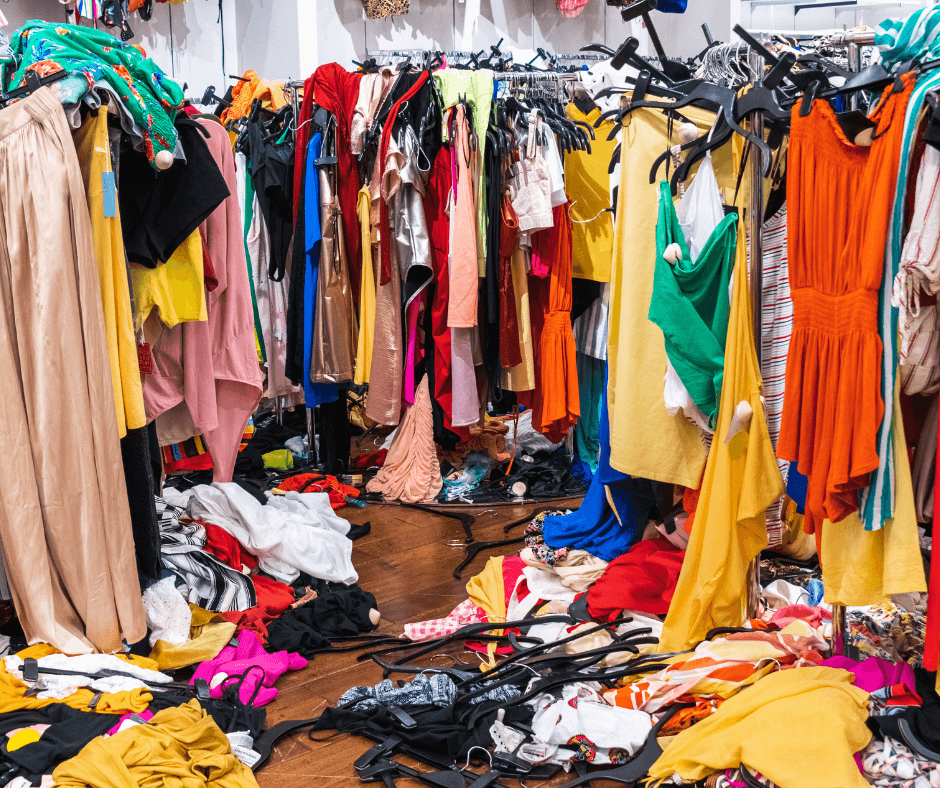
Photo Credit: Canva
Bhumi Organic Cotton: A Vision for Sustainable Fashion
Enter Bhumi Organic Cotton, a beacon of sustainable fashion founded by South Asian Australian entrepreneurs Vinita and Dushyant Baravkar.

Based in Melbourne, Bhumi recently secured $244,502 from 258 investors through an equity crowdfunding campaign on Birchal. This milestone reflects a growing appetite for eco-friendly luxury and positions Bhumi at the forefront of the movement to replace fast fashion with sustainable choices.
“We’re thrilled with the recent funding,” says Vinita. “It underscores the increasing support for sustainable practices. This capital will allow us to expand our product range, refine our supply chain, and connect with more customers who prioritize sustainability and ethics.”
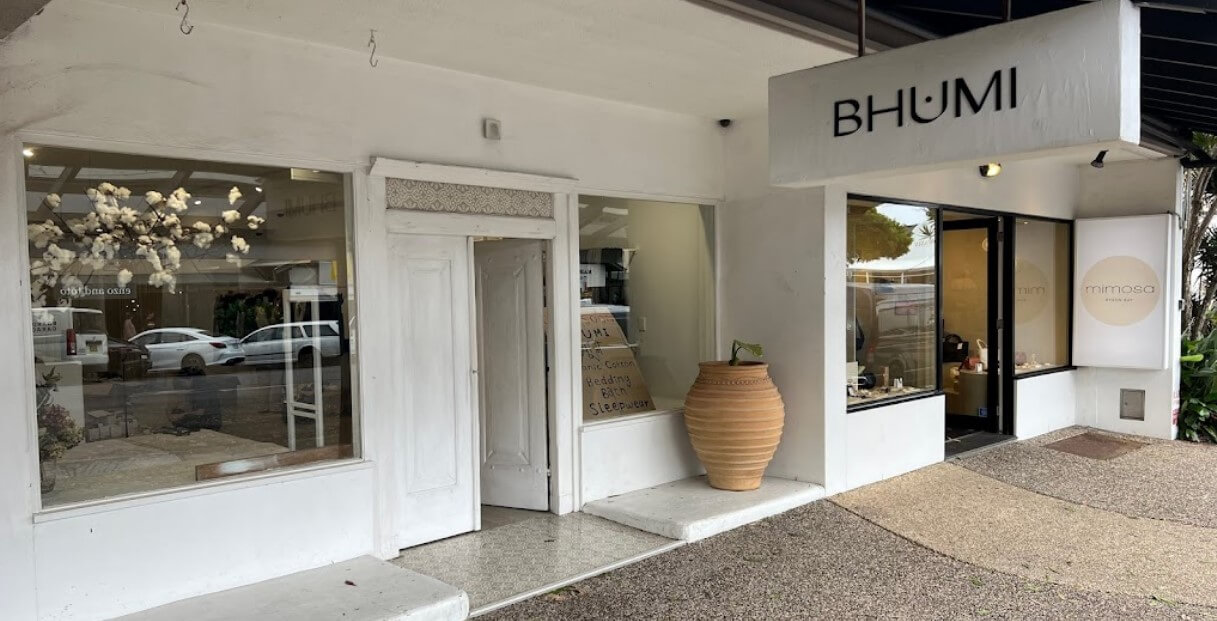
Photo Credit: Bhumi Social Media Account
Innovative Funding Approach and Future Ambitions
The Baravkars opted for equity crowdfunding to engage their community directly, offering customers a stake in their success. “This approach has been incredibly rewarding,” Vinita explains. “It’s allowed us to connect with supporters who share our vision for sustainable growth.”
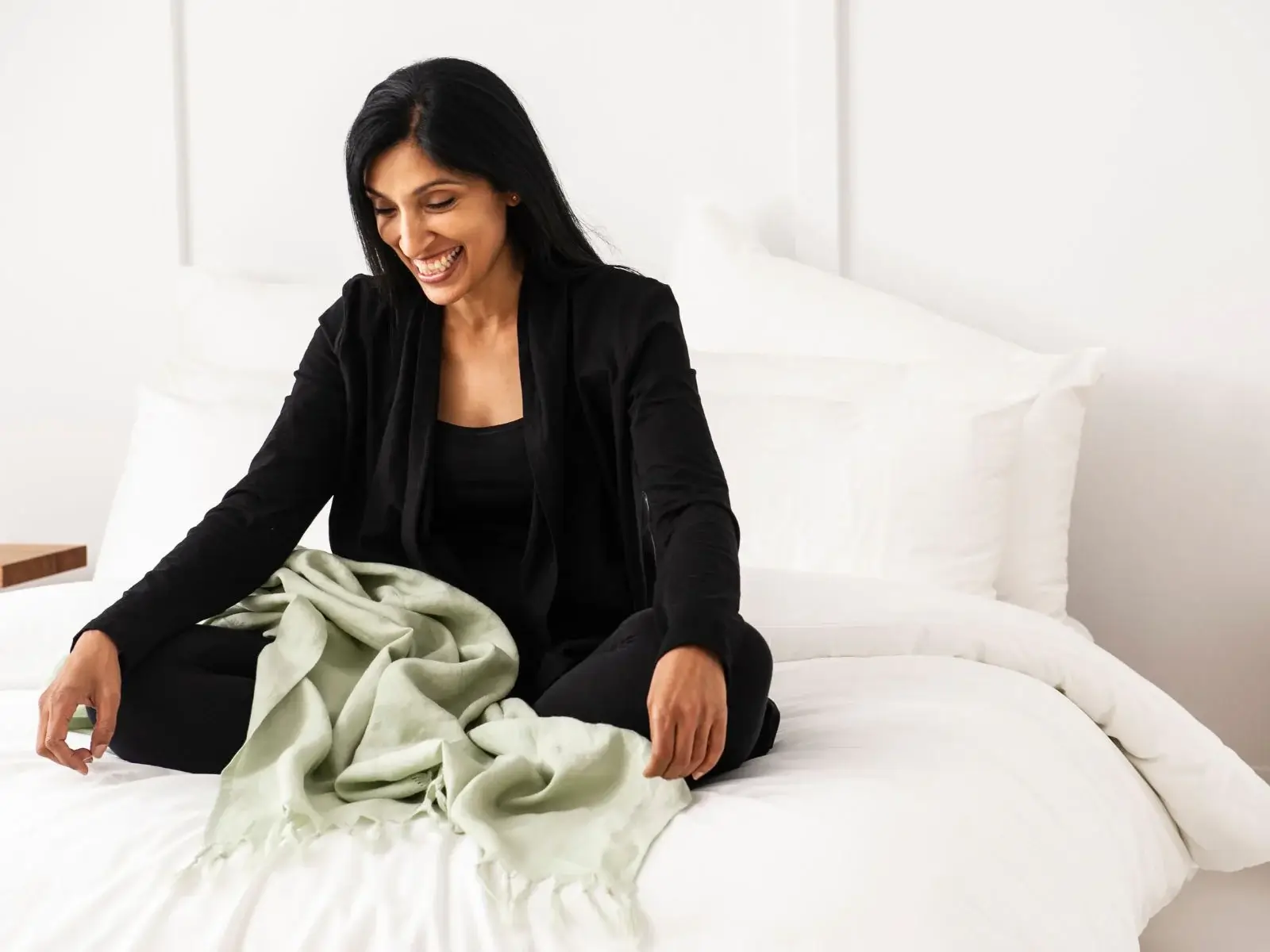
Despite receiving numerous expressions of interest, the conversion rate on Birchal was lower than anticipated. However, the Baravkars have seen substantial funding from other sources, with over $1.2 million committed towards their $2 million goal.
“We’re optimistic about closing the remaining amount soon,” Vinita adds. “Our next steps include enhancing innovation and maintaining our commitment to offering luxurious, eco-friendly products.”
A Personal Mission: From Health Concerns to Sustainable Solutions
Vinita’s journey into sustainable fashion was catalyzed by her health background and firsthand exposure to the environmental and social issues associated with conventional cotton farming.
“Our goal with Bhumi is to offer an alternative that supports the planet and its people,” she says. “We envision a world where sustainability is standard, not exceptional.”
Bhumi’s commitment extends beyond using organic cotton. The brand ensures minimal waste, reduced water usage, and ethical manufacturing through Fairtrade-certified partners.
“Our production process protects both the environment and the farmers,” Vinita highlights. “We also use eco-friendly packaging to further reduce our footprint.”
The brand educates consumers about the benefits of sustainable fashion via blogs, social media, and newsletters.

“Education is crucial for driving change,” Vinita explains. “We aim to empower consumers to make informed choices and appreciate the long-term value of high-quality, sustainable products.”

Photo Credit: Canva
Challenges and Vision for the Future
Changing entrenched consumer habits remains a significant challenge. “Fast fashion’s prevalence makes it hard to shift perceptions,” Vinita acknowledges. “We focus on showcasing the superior quality and durability of sustainable products.”
Bhumi also faces challenges in maintaining a transparent and ethical supply chain. “We rigorously monitor our practices and build strong relationships with our suppliers to uphold our commitment to sustainability,” Vinita adds.
Looking ahead, Bhumi plans to expand internationally over the next 5-10 years, introducing more home essentials and apparel while keeping sustainability at the core. “We’re investing in new technologies and practices to minimize our environmental impact and uphold our values,” Vinita states.
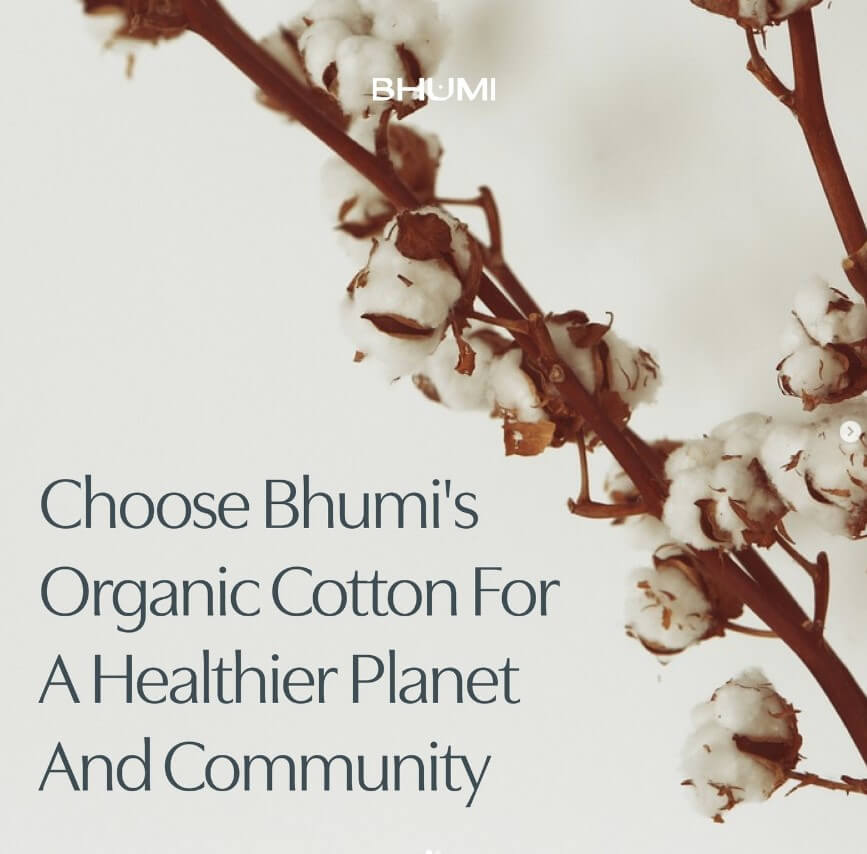
Photo Credit: Bhumi Social Media Account
Transparency and Community Engagement
Bhumi operates with a commitment to transparency and fair labor practices, partnering exclusively with Fairtrade-certified factories. “We provide detailed information about our supply chain to ensure customer confidence,” Vinita says.
The Baravkars leverage their South Asian heritage to connect with a community that values quality and sustainability. “Our use of organic cotton from India supports local farmers and traditional methods,” Vinita explains. “We engage with this community through storytelling and collaborations with influencers.”
The Baravkars feature themselves and their family in their warm and welcoming social media posts, showcasing their products, their mission and even how well Dushyant can walk around the streets of Melbourne in his Bhumi pajamas.

Advice for Aspiring Entrepreneurs
Vinita offers this advice to those starting in the sustainable fashion space: “Start with a clear vision and a commitment to sustainability. Educate yourself about the industry’s impacts, seek ethical partners, and prioritize transparency. Building a sustainable brand is challenging but incredibly rewarding.”
A Brighter, Sustainable Future
“Every purchase from Bhumi enhances your home with luxury and positively impacts the environment and communities,” Vinita concludes. “We’re excited about the future and remain dedicated to creating beautiful, sustainable products. Together, we can drive meaningful change for future generations.”
Photo Credit: Canva
Bhumi Organic Cotton products are availabe through its online shop and Australian phsycial stores in Collingwood, Victoria and Byron Bay, New South Wales.
Radha Mishra is a seasoned journalist with over a decade of experience in newsrooms. Now practising independently, she is passionate about covering issues that matter. She strives to deliver accurate and impactful stories to audiences globally.